

So. You want to write a novel this November. Awesome! Amazing! Do it!
A mystery novel needs to be around 75K – 90K words. (Other genres have different word count ranges.) Agents are pretty specific about word counts and I’ve known some agents who have rejected a book without reading it because it was below their word limit.
November’s goal is just 50K, but if you’re trying to get 50K-80K words written in a month, there are three things you need to prepare if you’re going to have a successful NaNoWriMo.
- Character descriptions
- A setting
- An outline
Characters
You can’t have a story without great characters. Your hero is your reader’s avatar in your story. Your reader lives vicariously through your hero. They want to love all your characters, even if they are messy and problematic. Even if they’re the villain! There’s nothing more delicious than a thoroughly despicable villain.
My secret weapon in creating characters are Enneagrams. Enneagrams are personality prototypes, descriptions of people when they are functioning at their best, average, and worst. I use it to give me ideas for fatal flaws, pressure points that will take my characters to their lowest points (the dark night of the soul), and how they can redeem themselves.
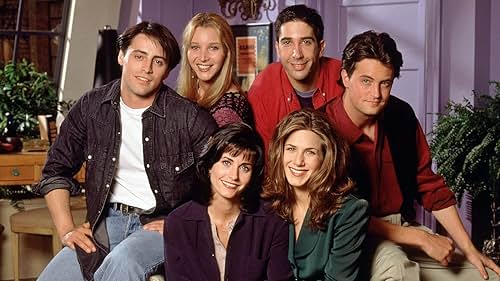
I also have been known to add the photos of actors/movie characters into my Scrivener character sheets as a short-hand for a physical description.
If you don’t know Scrivener, it’s an amazing writing software that I love. You can read more here. And they even have a free trial so you can experiment during NaNoWriMo.
Setting
Setting can make a novel shine. Look at Mother-Daughter Murder Night by Nina Simon or The Golden Spoon by Jessa Maxwell (which is a fab audiobook, btw). They’re both stories where the setting is foundational to how the plot is told.
But setting isn’t just a place or location. It’s also a place in time–like the 1950s or the distant future–or the section of time where the story takes place–a week, a month, ten years.
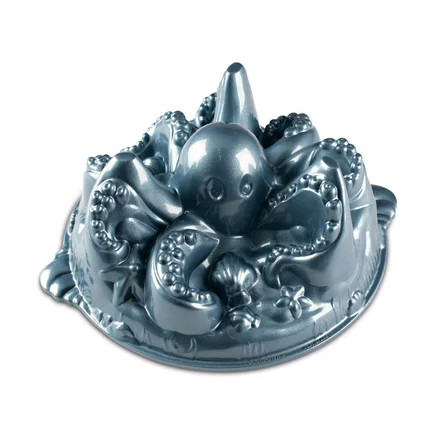
It’s like the cake pan that you bake the cake batter in. (I’ve just watched the first episode of this season’s Great British Bake Off so indulge me.) The uncooked batter is your idea or your plot. The setting gives the story a shape or boundaries.
Outline
It doesn’t have to be one of those Roman numeral nightmares we were forced to create in high school, but it should be a document with guideposts leading you down the path of your story.
For different projects, I’ve had a wall of post-it notes, single pages with short chapter summaries, and an emotional outline with what happened and how people felt about it and what they did next about it and how they felt about that, and etc. etc. etc.
Some people write their first scene and then the climax scene as part of the outlining process. You’re creating your starting point and then the point you’re building towards.
An outline is basically a corral for sorting your thoughts. It can look like anything as long as it helps you find a direction for your story. It needs to get you from Point A to Point B to Point C and all the way to the end.

I’m not going to sugarcoat it for you. Writing a novel is hard work. There are times I want to do anything else, including cleaning the refrigerator or scrubbing the grout with a toothbrush. (It’s true you can judge the mental state of an author by the state of their house. Clean House = Not Going Well. Messy House = Creative Fugue State.)
BUT! No one can write your story except you. No one can look at the world through your exact lens. There are people who are searching for your story, because in some way–small or large–it’s their story, too.
 Mindy Carlson
Leave a comment